.png)
Acoustic sound absorption screens and partitions
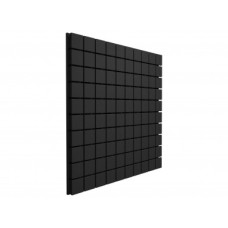
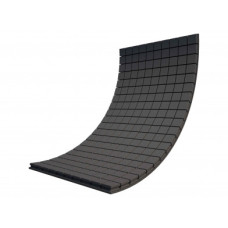
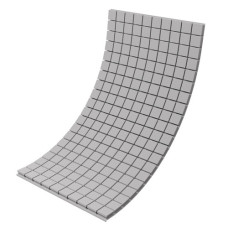


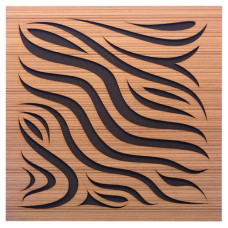
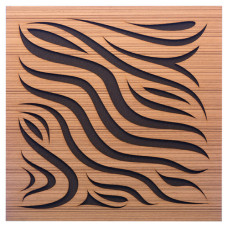
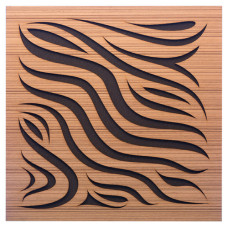
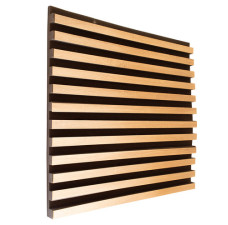
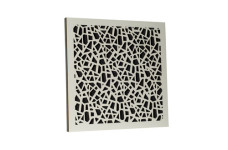
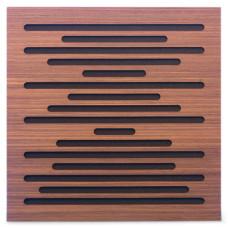
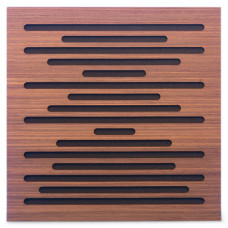
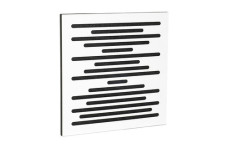
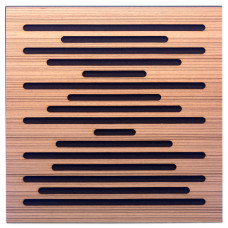
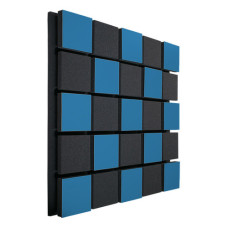
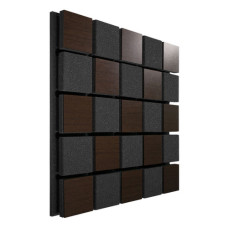
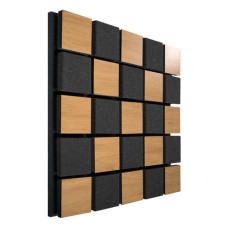
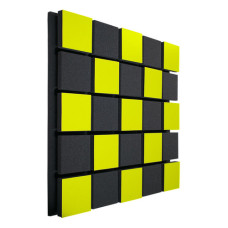
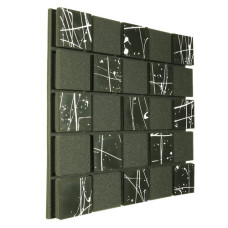
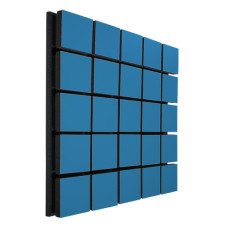
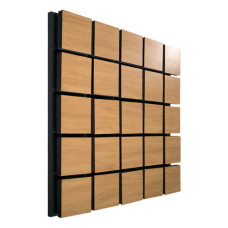
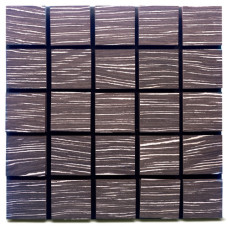
Microphone Acoustic Screen
Creating a small recording studio in a garage or room is becoming a pressing need: more and more people can publish their works online. With a small investment, you can obtain a space adapted for recording voice, instrumental music, and high-quality vocals.
The microphone acoustic screen is a structure that protects the microphone from external acoustic influences and scattered sounds. At the same time, the sound near the microphone is not distorted, and the room's reverberation does not affect the recording. The screen made of acoustic material absorbs unwanted effects like echo. As a result, you get a recording as if in a full-fledged studio.
Design of the Acoustic Screen
It is simple and typical for all models: a frame, a microphone holder, and acoustic foam. More expensive models are made from higher quality materials and feature interesting designs.
Assembling a mini-studio takes less than a minute; no special skills or tools are needed to put it together.
What to Consider When Choosing the Right Model?
- Model size. Measure the room for the studio. Even a small part of the room will do. Some screens are compact and can be placed on a table. Assess the size of the musical equipment that needs to be accommodated for recording.
- Pay attention to the quality of the damping foam: sound absorption and reflection coefficients. Shields that perform both functions are significantly more effective.
- Reliability of the materials for fasteners and stands. How often will the screen need to be assembled, disassembled, or moved from one room to another? The answer to this question will determine how robust and reliable the structure should be.
- When choosing a screen or acoustic panel, decide what effect you need. The pattern on the foam can attenuate certain frequencies and enhance others.
A reliable and high-quality microphone acoustic screen is the first purchase for creating a home recording studio. It is designed with all acoustic laws in mind, providing directed sound to the microphone. At the same time, the rest of the room does not need to be modified to meet studio needs.
Acoustic Dampers (Silencers) for Drums
The human ear can perceive low frequencies produced by the bass drum.
Since the diameter and depth of the drum are quite large (sometimes reaching up to 28 inches), it is necessary to dampen unwanted vibrations and an abundance of overtones that lead to a "dirty" sound and rumble.
For this, an acoustic damper (silencer) is used, which is placed inside the bass drum, thus limiting the space for the sound wave's vibration.
By varying the volume and number of plugs, you can achieve a sound that is radically different from the original - ranging from a deep thunderous "roar" to a mid-frequency "clean" click.
With the help of a damper plug, unwanted high and mid frequencies are suppressed, making the sound less bright and more low-frequency.