.png)
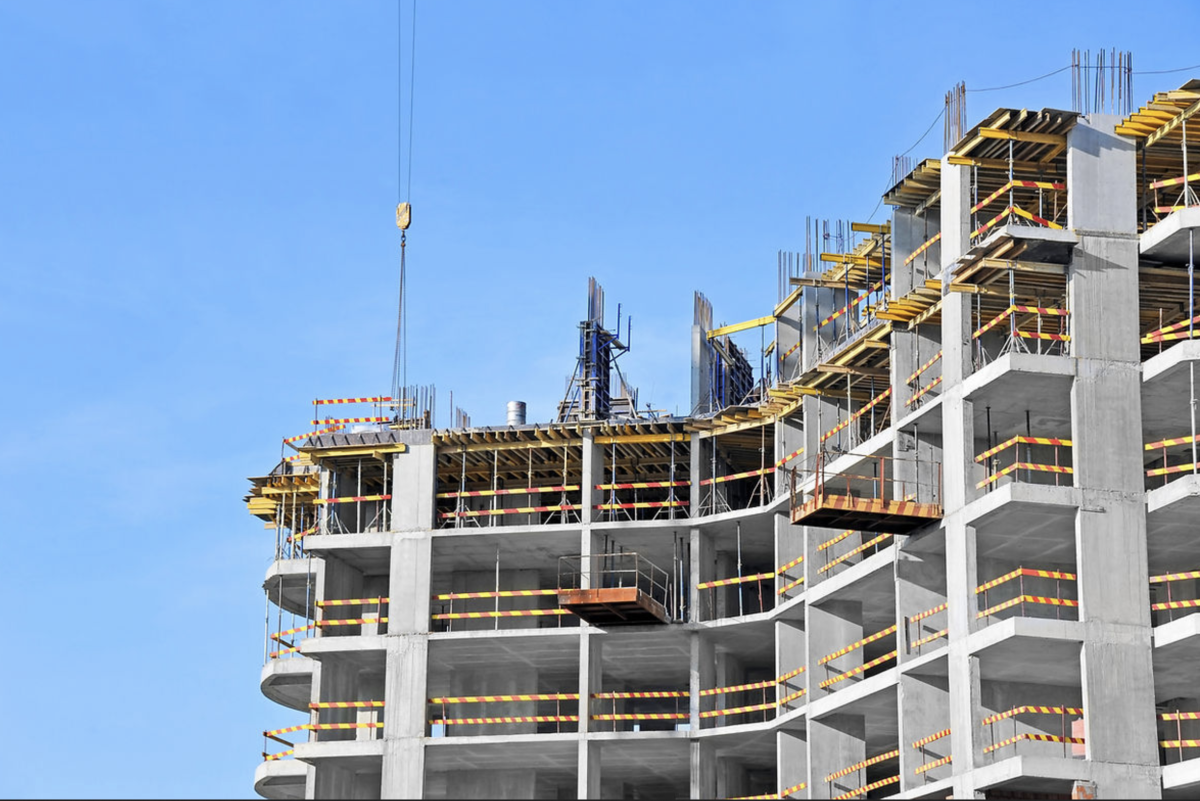
Every home buyer, of course, has their own requirements for future property.
However, there are also basic parameters by which real estate is evaluated.
This includes the location of the residential building, the level of infrastructure development, the availability of convenient transport links, and some others.

Naturally, the main requirement is the cost of the living space offered for sale.
Those wishing to purchase an apartment today are paying more attention to its level of soundproofing.
The noise of a large modern city constantly surrounds its residents, so having peace and quiet in their apartment is a concern for city dwellers.
For future homeowners, it will be useful to know how the quality of soundproofing differs in houses built using different technologies and at different times.
Any noise spreads in two ways.
The feature of the airborne method is that the noise causes oscillatory movements of the air, which then impacts the walls and thus transmits sounds to other apartments.
The higher the level of the emitted sound, the more the air vibrates, and accordingly, more noise is transmitted to adjacent rooms.
The second method is called structural, and it is based on mechanical impact on various structures of the residential building.
This can include hammer blows, the operation of an electric drill, or falling objects.
According to the laws of physics, the speed of sound movement in the air is lower than in a solid medium.
That is why the noise from working tools is heard by almost all the residents of the building, while the sounds of loud music playing in one of the apartments only reach the neighbours on the landing.
The spread of various sounds largely depends on the type of residential building.
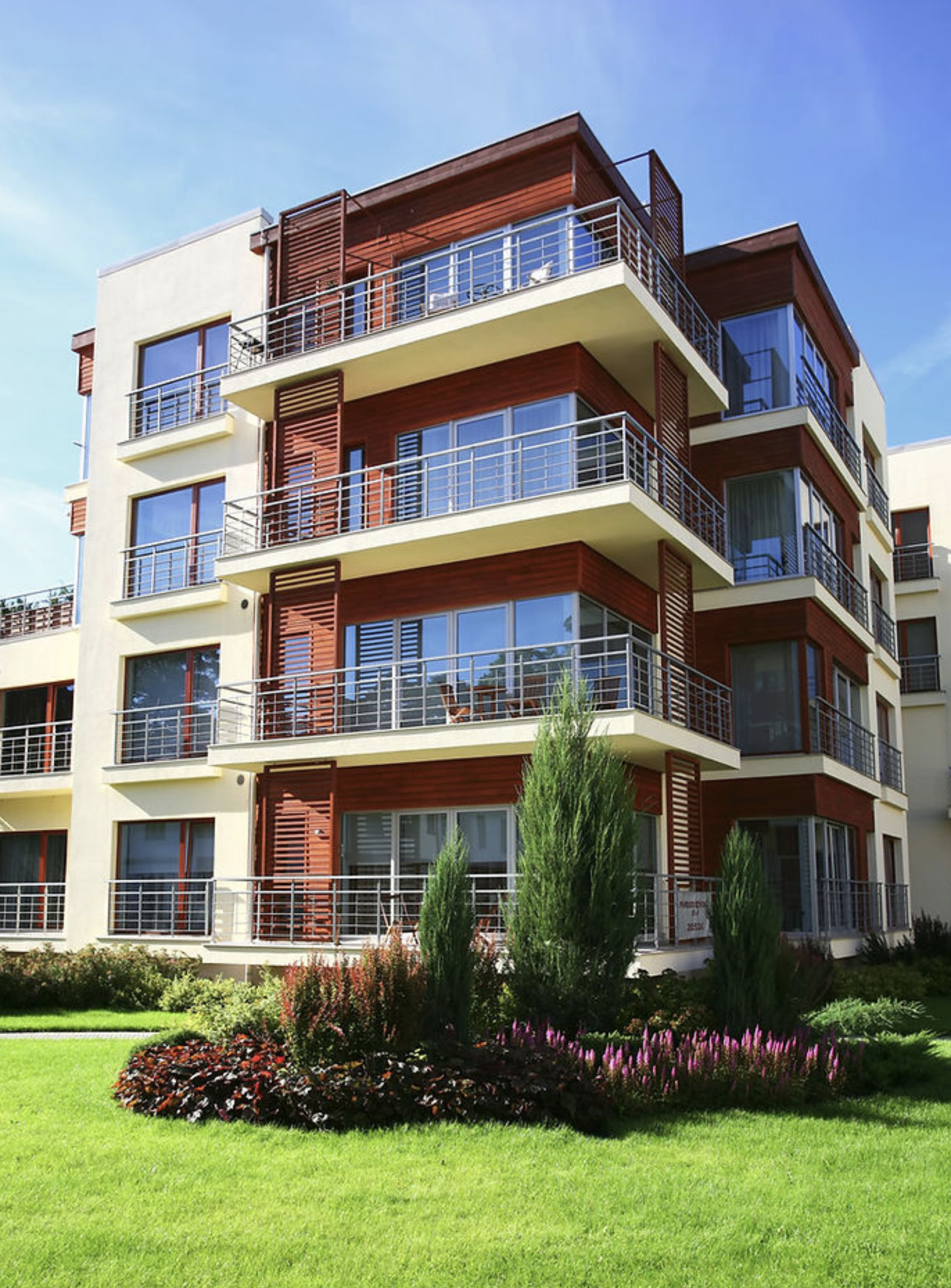
The still sought-after apartments in the so-called "Stalinka" buildings are distinguished by an excellent level of noise insulation.
This protection is achieved thanks to the great thickness of the load-bearing walls of these houses.
Excellent soundproofing of apartments contributes to the stable demand from buyers for this real estate.
The situation is significantly worse with the noise insulation of "Khrushchyovka" buildings.
Their construction was aimed at providing as many people as possible with separate housing.
And soundproofing issues were not considered, nor were there any regulatory documents at that time governing the permissible noise level in apartments.
;/p>They only appeared in 1962, although the building materials of that time and the housing construction technology still could not ensure compliance with the required soundproofing standards.
The panel high-rises built in large numbers in the 1970s also cannot boast a high level of noise insulation.
This is due to the imperfection of the wall panels used in their construction.
However, brick residential buildings commissioned at the same time, unlike panel buildings, have decent protection against noise penetration.
Today's new buildings have a much higher level of soundproofing, although they also have issues in this regard.
For example, the highly sought-after apartments in monolithic-brick type houses do not have a very high degree of noise insulation.

This is due to the technological feature of such high-rises: their vertical structures are solid and therefore transmit noise quite actively.
The advantage of apartments in new buildings is considered to be the possibility of improving their soundproofing using various methods.
Installing double-glazed windows helps to eliminate noise penetration, as does the installation of soundproof suspended ceilings using soundproofing membranes like GKL-Macsound-GKL.
Soundproof partitions, consisting of layers of plasterboard and Macsound, are also mounted on the walls.
Using plasterboard and stretch ceilings in apartments of Soviet-era buildings is difficult due to the low height of the rooms.
If these materials are used for finishing, the room area will become smaller, which is already not distinguished by large sizes.